
Personal injury lawyers play a crucial role in advocating for individuals who have suffered harm due to the negligence or intentional acts of others. Their expertise is essential in thoroughly assessing the multitude of factors that influence the determination of compensation in personal injury cases.
What Factors Influence Compensation Calculation?
Economic Damages
Economic damages are a vital component of compensation calculations, and they are readily quantifiable. Medical expenses encompass the cost of treatment, rehabilitation, and any ongoing care necessary due to the injury sustained.
Lost wages are another significant factor that personal injury lawyers meticulously examine. In calculating lost wages, lawyers consider both the immediate impact and the long-term consequences of the injury on a client’s ability to earn income.
The accurate assessment of economic damages provides a foundation for negotiating fair compensation. Understanding these calculations helps ensure that injured individuals receive compensation reflective of their actual losses.
Non-Economic Damages
Non-economic damages address the intangible aspects of an injury, such as pain and suffering. This category is more subjective, making it imperative for lawyers to use their experience and judgment effectively.
Emotional distress is an element of non-economic damages that captures the psychological impact of injury. Factors such as anxiety, depression, and loss of enjoyment in life are considered under this umbrella.
The subjective nature of non-economic damages requires a nuanced evaluation by personal injury lawyers. They work diligently to ensure their clients’ compensation adequately reflects the personal impact of their injuries.
How Do Lawyers Assess Non-Economic Damages?
Defining Non-Economic Damages
Non-economic damages pertain to the intangible losses that do not have a direct monetary value. Personal injury lawyers must be adept at articulating these losses to effectively advocate for their clients.
Various methods of valuation are employed to determine the worth of these intangible losses. Lawyers might use the multiplier method or per diem approach to calculate these damages.
The comprehensive assessment of non-economic damages involves emotional storytelling and expert testimonies. Successfully navigating these evaluations can significantly influence the compensation settlement.
Using Precedent and Case Studies
Loyal precedence impacts the consideration given to non-economic damages. Personal injury lawyers often rely on case law and previous jury awards in similar cases to build a robust argument.
By studying jury trends, lawyers can set expectations for compensation and develop strategies to maximize settlements. Historical data provides a benchmark that can influence negotiation tactics.
Case studies and precedence play a critical role in formulating arguments for non-economic damages. This strategic approach ensures that compensation awarded is consistent with legal precedents.
How is Fault or Liability Established?
Investigation and Evidence Gathering
The determination of fault or liability is a pivotal step in the personal injury claim process. Thorough investigation and evidence gathering form the backbone of establishing liability.
Accident reports provide crucial evidence of the circumstances surrounding the incident. Lawyers meticulously review these reports to construct a clear narrative of events leading to the injury.
Witness testimonies add a vital layer of context and credibility to the investigation. Relying on eyewitness accounts helps bolster the lawyer’s argument and strengthens the client’s case.
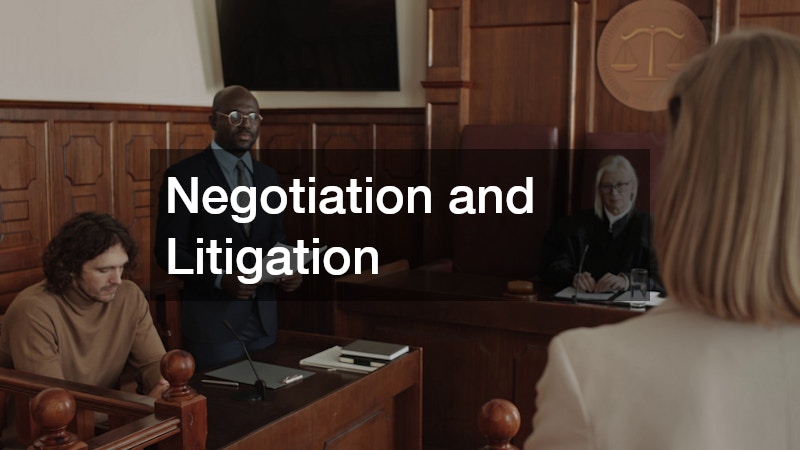
Negotiation and Litigation
Negotiation and litigation are key phases in the compensation determination process. Many personal injury cases are resolved through out-of-court settlements to avoid the time and cost of trial proceedings.
Out-of-court settlements require adept negotiation skills, as lawyers must balance the client’s needs with the realistic outcomes of continued litigation. These negotiations aim to ensure fair compensation while avoiding the unpredictability of a trial.
In cases where settlement is unattainable, trial proceedings become necessary. Skilled litigation can significantly influence the final award, underscoring the value of having an experienced personal injury lawyer.
Through an understanding of both economic and non-economic damages, along with diligent evidence gathering, lawyers play a pivotal role in attaining just settlements. Their adept negotiation and litigation skills are crucial in navigating the complex landscape of personal injury law.
Overall, the expertise of personal injury lawyers is indispensable in securing compensation that reflects the extent of their client’s physical, emotional, and financial losses. Their efforts and insights can significantly enhance the outcomes of personal injury claims.