
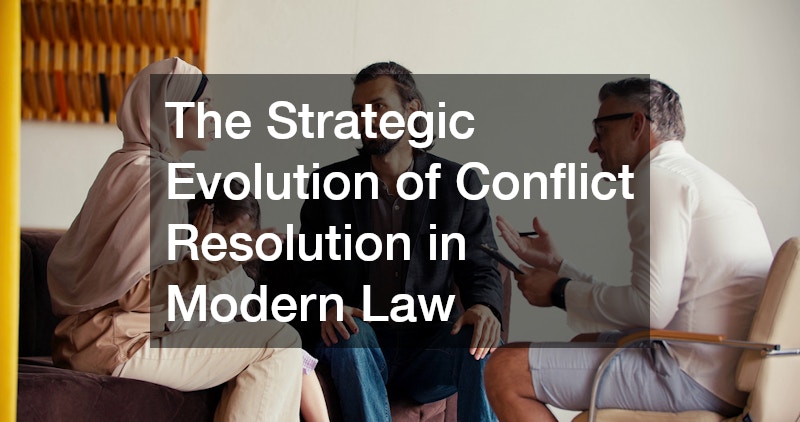
The aftermath of a serious accident often leaves victims feeling like they’ve lost control of every aspect of their lives. Between the sudden influx of medical bills, the aggressive calls from insurance adjusters, and the physical pain of recovery, the prospect of a multi-year court battle can feel more like a punishment than a path to justice. This reality has fueled a significant shift toward collaborative settlement processes, in which a specialized mediation attorney helps injured parties reach a resolution without the unpredictability of a jury trial. By stepping outside the adversarial confines of a courtroom, people can often secure the resources they need for recovery much faster and with significantly less stress than traditional litigation allows.
Navigating the Nuances of Neutral Ground
In the context of a personal injury claim, the role of a mediator is to bridge the massive gap between an insurance company’s bottom line and a victim’s actual needs. These professionals don’t act as judges who decide what a broken bone or lost wages are worth in a vacuum. Instead, they facilitate a structured conversation in which both sides can examine the evidence objectively and candidly. This environment fosters transparency and human connection that’s rarely found in a formal deposition. It allows the injured party to speak about the daily impact of their limitations in a way that data points in a spreadsheet simply can’t capture, often leading to more comprehensive and empathetic settlement structures.
Furthermore, this neutral ground serves as a pressure valve for the high emotions that naturally accompany a life-altering injury. When a victim feels heard rather than cross-examined, the defensive barriers often come down. The legal expert guiding the session uses their deep understanding of tort law to keep the conversation focused on realistic outcomes. This prevents the proceedings from stalling due to personal animosity or unrealistic expectations. By fostering an atmosphere of mutual problem-solving, the process transforms a rigid legal dispute into a practical negotiation focused on moving forward.
Reducing the Heavy Burden of Traditional Litigation
The physical toll of an injury is hard enough to manage without the added weight of a looming trial. Litigation is notoriously slow, often stretching out for years while legal costs and expert witness fees eat away at the potential recovery. Choosing a facilitated negotiation path helps cut through the bureaucratic red tape that defines most insurance disputes. Since these sessions are private and scheduled at the convenience of the parties, they bypass the massive backlogs of the civil court system. This speed is crucial for someone facing mounting surgical costs or the inability to return to work, as it puts a definitive end to the financial uncertainty that plagues long-term legal battles.
Beyond the financial savings, the privacy this process affords is an invaluable asset. Courtrooms are public forums where sensitive medical records and personal histories become part of the public record. In a private session, those details remain confidential, protected from public view and the media. This confidentiality often makes insurance companies more willing to offer fair settlements because they don’t have to worry about setting a public precedent for future cases. It creates a “safe space” for high-level negotiation where both parties can explore creative solutions that a judge simply wouldn’t have the authority to order in a standard courtroom setting.
Empowering Parties Through Informed Decision Making
A major concern for many plaintiffs is the “all or nothing” risk of a courtroom verdict. In a trial, a jury might award a significant windfall, or award nothing at all based on a single piece of misinterpreted testimony or a technicality. Engaging in a facilitated settlement process restores a sense of agency and power to the victim. The legal professional ensures that the injured party understands the specific strengths and weaknesses of their case before any final decisions are made. This grounded, informed perspective allows for a compromise that provides guaranteed stability rather than a gamble.
Ultimately, the goal of this modern approach is to ensure that the final agreement reflects the individual’s actual needs. Rather than leaving their future to the whims of twelve strangers on a jury, parties can walk away with a signed agreement that they helped shape and refine. This sense of ownership leads to higher satisfaction rates and a much faster path to closure. When people are given the tools to resolve their own disputes with the help of a skilled professional, they can stop being plaintiffs and become survivors, focusing their energy on their physical rehabilitation rather than their legal frustrations.

Related Posts

What To Do And What To Avoid In Personal Injury Law
Navigating personal injury lawyers can be complex and overwhelming for those who have suffered harm […]

How Do Personal Injury Lawyers and Malpractice Lawyers Diifer?
Personal injury lawyers and medical malpractice lawyers both help people who are hurt. But they […]

Who Is Responsible if My Kid Is Injured at Summer Camp?
When you send your kids to summer camp, you expect them to be properly supervised, […]